In a World Cup (or any major tournament) group stage, matches are never just “one-off” events. Each result feeds into a bigger objective: qualifying for the knockout rounds, and ideally doing so as group winners. That’s why games like England vs Panama can feel pivotal even before the group is complete.
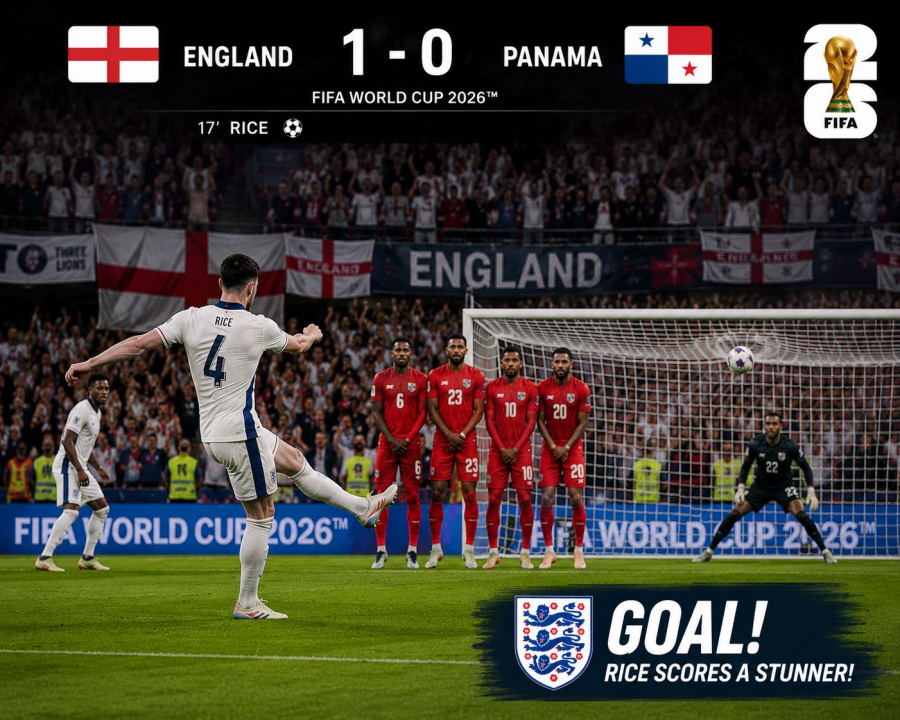
The key idea is simple: winning earlier group matches puts you in a position where winning the final group game gives you the best possible chance to finish top of the group. It’s about control. When you’re collecting points and building a strong tie-breaker profile, the last match becomes an opportunity to confirm first place rather than a stressful scramble to survive.
How the group table actually works (and why every point matters)
Most international tournaments use a similar group-stage scoring system:
- Win= 3 points
- Draw= 1 point
- Loss= 0 points
Typically, the top two teams in each group advance. But finishing first isn’t just a badge of honor. It can influence the difficulty of the next opponent, the tournament narrative around your team, and how confidently you enter the knockout rounds.
That’s why building a strong points total before the last match is such a powerful position: it allows your final game to be a positive, proactive chance to win the group.
Why “win the final group game” is the cleanest route to first place
By the time teams reach the last group match, the table usually compresses into a few realistic scenarios. If you win your final group game, you often eliminate uncertainty and avoid relying on other results.
In practical terms, winning the final group match can:
- Lock in top spot outright (if you already have a points advantage).
- Win a head-to-head race (if you’re level on points and the other contender doesn’t win).
- Protect you from tie-breaker surprises that can happen when multiple teams finish level.
Even when the group is tight, a final-day win is the most persuasive statement: it gives the standings a definitive shape.
Where England vs Panama fits: setting up the “win-and-top-the-group” opportunity
A match like England vs Panama matters because earlier group wins create a clear pathway: if England handles business against Panama, the team goes into the final group match with:
- More points in the bank (reducing pressure).
- More control over their own finishing position.
- A stronger tie-breaker position if the top of the group becomes a two-team contest.
This is the strategic benefit: winning matches early doesn’t just help you qualify; it sets the conditions where winning the final group game can deliver first place.
In many groups, the final match is a “top-of-the-table” showdown. But it only becomes a true group-winning opportunity if you’ve already taken care of the earlier fixtures.
The tie-breakers: why winning big (not just winning) can amplify your advantage
When teams finish level on points, tournaments apply tie-break rules. While the exact order can vary slightly by competition, FIFA-style group stages commonly use tie-breakers such as:
- Goal difference (goals scored minus goals conceded)
- Goals scored
- Head-to-head results (in some formats, depending on the tournament rules)
- Disciplinary record (often called “fair play” points)
- Drawing of lots as a last resort
This is another reason a match like England vs Panama can be so valuable: it’s not only about getting three points. It can also be a chance to build a cushion in goal difference and goals scored, which can become decisive on the final day.
When the last group game arrives, the table can look like a simple points battle, but in reality it may be a points-plus-tie-breakers battle. A strong earlier win can turn the final match from “must win by multiple goals” into a straightforward “win and you’re top.”
Why finishing top of the group is such a big deal (beyond pride)
Being group winners brings multiple real-world benefits that teams and fans care about. When you win the group, you often gain:
1) A potentially more favorable knockout opponent
Many tournament brackets pair Group Winner vs Runner-Up from another group. While nothing is guaranteed in knockout football, finishing first can, in some brackets, mean avoiding another group winner in the immediate next round.
From a benefit-driven perspective, topping the group can improve your odds of building a longer run, because the early knockout rounds are about minimizing risk and steadily increasing performance.
2) Stronger momentum and belief
Winning your final group game to confirm top spot is a confidence builder. It reinforces habits that matter in knockout football:
- Starting fast
- Managing game state
- Staying clinical in key moments
- Closing matches out professionally
Momentum isn’t a statistic, but it is a tangible competitive edge. Teams that finish the group stage with a decisive result often carry that clarity into the next round.
3) Better control of your narrative and tournament identity
Group winners tend to be framed as “in form” and “in control.” That can influence the psychological tone of upcoming matchups. Football is full of fine margins; feeling like you’re the team setting the standard matters.
The “control vs hope” principle: why the final match is where preparation pays off
One of the most compelling reasons to win earlier games (like England vs Panama) is that it reduces reliance on outside results.
Here’s the simple contrast:
- Control: If you’ve already accumulated points and tie-breaker strength, you can go into the final game knowing a win puts you top (or keeps you top).
- Hope: If you’ve dropped points earlier, you may need other matches to go your way, or you may need to win by a specific goal margin.
Teams always prefer control. It allows clearer planning, a calmer mindset, and more decisive execution.
A clear scenario table: how the final group game can decide first place
Because each group is different, it helps to look at typical outcomes. The table below shows common situations heading into the final matchday (using “England” as the team trying to finish first).
| Situation before the final group game | What a win in the final game can do | Why earlier wins (e.g., vs Panama) help |
|---|---|---|
| England are leading the group on points | Secure first place without needing other results | Earlier points built a lead, making the final win decisive |
| England are level on points with another top team | Win the group if the other contender doesn’t outperform them | Earlier goal difference and goals scored can break the tie |
| England are behind by 1–3 points | Potentially jump to first with a win plus help elsewhere | Earlier wins reduce the gap and keep first place realistic |
| Multiple teams could still finish first | Win improves the odds dramatically and simplifies the math | Earlier strong results provide tie-breaker insulation |
The performance benefits: winning early supports smart squad management later
Another advantage of banking points early is that it gives the coaching staff more flexibility on the last matchday. Even when a team still wants to win the group, having a strong position can allow:
- Better game management (playing with clarity rather than anxiety)
- Targeted rotation (keeping key players fresh without sacrificing competitiveness)
- Planned minutes for players returning from knocks or needing rhythm
This matters because knockout rounds are physically intense. The teams that balance momentum with freshness are often the ones still playing deep into the tournament.
What “top of the group” really represents for England
For a team like England, topping the group is a powerful strategic and psychological milestone:
- It signals consistency across multiple match styles.
- It shows the team can handle expectation in games they’re favored to win.
- It positions the squad to enter the knockout stage with a clear identity and belief.
Matches like England vs Panama are part of that identity-building journey. They’re opportunities to convert preparation into points, points into position, and position into a final-day chance to seal first place.
Key takeaway
Winning earlier group matches creates the conditions where winning the final group game can deliver top spot: more points, stronger tie-breakers, more control, and a better launchpad into the knockout rounds.
That’s the big reason it’s so important to win the last group match if you want to finish first. It’s the moment where all the value of previous results (including England vs Panama) can be converted into the best possible standing: top of the group.
Quick recap: the benefits of winning the final group game to top the group
- Secures first place in many realistic table scenarios
- Reduces reliance on other results
- Protects against tie-breaker risk when points are level
- Can shape the knockout pathway depending on the bracket
- Builds momentum and confidence at the perfect time
When the group stage is designed to reward consistency, every win is an investment. And the final group game is often where that investment pays off most visibly: with a first-place finish and a confident step into the knockout rounds.
